
- Disconnect and drain all garden hoses.
- Insulate exterior pipes and faucets with newspaper, rags, or insulating material, then cover with plastic and secure with string or wire. You can also use electric heat tape.
- Insulate interior pipes and faucets located in cold areas of your home (including unheated attics, basements, garages, and crawl spaces) the same way as step 2.
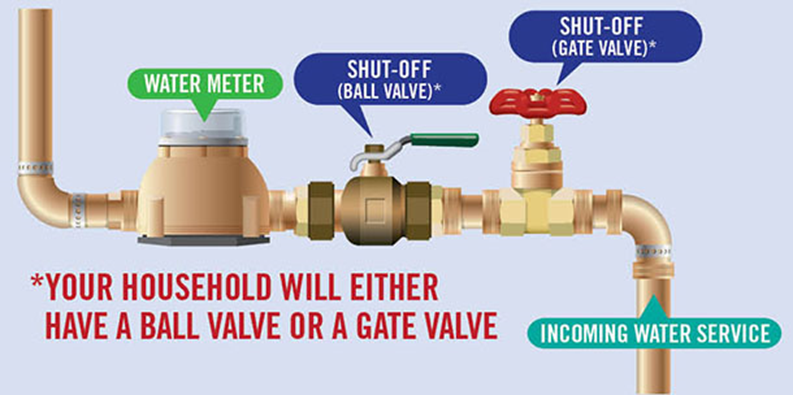
- Locate your home’s main water shut off valve and test it prior to an emergency, so you can stop excessive water loss and flooding if a pipe breaks. Use a wrench to turn it firmly but gently in a clockwise direction.
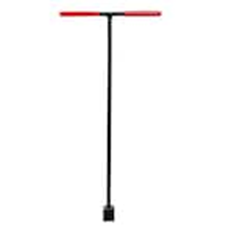
Alternatively, you can turn ff your water at the meter box b y using a #wter meter valve key” tool available at most hardware stores for about $15.
Locating Your Main Water Shut Off Valve
This valve is either round or shaped like a lever. It’s usually located in your basement, crawlspace, garage, or outdoor foundation, often near the front faucet.
Additional Safety Measures
- If you have a yard sprinkler system, drain and blow out the system completely.
- On extra cold nights, open the doors of closets or cabinets that are located near water pipes on our home’s exterior walls.
- If you don’t mind a slightly higher utility bill, let one indoor faucet slowly drip warm water overnight during spells of below- freezing temperatures. Just don’t do this in a house that will be vacant for an extended time.
- For maximum protection, apply caulk around incoming pipes, and close or block your home’s foundation vents during the coldest months (open them up once the threat of freezing has passed to prevent dry rot).
If you have a second home or cabin that is left unoccupied for several days or longer.
- Turn off the main water shut-ff valve.
- Turn off the electricity or gas to the water heater. If the house is going to be vacant for an extended length of time, the water heater should also be drained.
- Open and drain indoor and outdoor faucets.
- After the water is turned off, flush the toilet once to drain the tank but not the bowl.
- Leave the heat on at a minimum temperature to help keep pipes from freezing in the walls.
How to Thaw a Frozen Pipe
If you turn on a faucet and only a little trickle (or no water) comes out, your pipe is probably frozen.
Locate the suspected frozen area of the pipe-usually where pipes are up against exterior walls, or where your water service enters your home through the foundation.
Turn the faucet closest to the suspected frozen area. This will allow water to flow through the pipe once the frozen area begins to melt, which will help more ice melt inside the pipe.
SLOWLY try to thaw the frozen section of pope. Soak some old rags in hot water and wrap them around the pipe. When wet rags cool, re-soak them in hot water and continue to apply until water begins to flow again.
If you have not lost electrical power AND there is NO standing water near the area, you can wrap an electric heating pad around the pipe, set to LOW, or use a hair dryer to thaw frozen pipes.
DO NOT use electric devices such as heating pads or blow dryers if there’s ANY standing water anywhere nearby.
DO NOT use an open flame such as a blowtorch, kerosene or propane heater, charcoal stove, candle, or cigarette lighter as this can cause the water in the frozen pipe to boil and explode the pipe. Open flames also present a serious fire danger as well as exposure to lethal carbon monoxide.
If a pipe breaks IMMEDIATELY turn off the main water valve to minimize flooding and damage. If you are unable to turn off your water, call your water company for help. They are very busy during freezing emergencies, so they may not be able to respond in time to prevent flooding damage. This is why it’s critical that you know the location of your main water shut off valve and how to turn it off. It’s also important to keep your water meter unobstructed for easy access. Remember, you are responsible for protecting and repairing the water pipes. Starting from the water meter, all the way into your home.
An ounce of prevention goes along way! Its is suppose to be extremely cold next week so please make sure you and your home is safe.












 STORY TIME: in June of 2020 I sold the pictured home for $639,950. The buyers have since had a change of life plan and are moving out of state. Thankfully they have been in the home for 2 years as their primary residence so it will save them on the capital gains tax. WHEW! This month, April 2023, the home is now pending under contract and will be closing soon for around $900,000. That is a profit of around
  $260,000
 appreciation they received in this short time. I may be a Realtor and yes, this is my job but it’s a career I love and I believe very strongly the most solid way to build wealth and secure your future is to buy a home. Your own piece of dirt.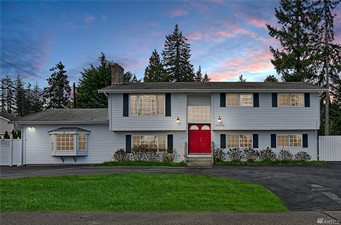


 Jen Murrweiss RE/MAX Elite